
How to Price Your Home Right Using Market Research, Comparables, and Expert Guidance
- Aug 5
- 5 min read
Price your home too high, and it can sit until buyers start wondering what’s wrong with it. Price it too low, and you may leave money on the table. The right price lives in that careful middle, where your home attracts serious buyers and still reflects its real value.
Getting there takes more than a quick online estimate or a neighbor’s opinion. A smart pricing strategy blends market research, comparable sales, your home’s unique features, expert input, and a clear-eyed view of timing and emotions.

Start with what the local market is actually doing
Real estate is local. A national headline about home prices doesn’t tell you much about what buyers are doing in your neighborhood, school district, price range, or property type.
Before setting a price, look at the current mood of your local market. Are homes selling quickly, or are they sitting for weeks? Are sellers getting multiple offers, or are price reductions common? Are buyers asking for repairs, credits, or seller concessions?
A few signs to watch:
Days on market
Homes selling fast may show strong buyer demand.
Active inventory
More available homes usually means buyers have more choices.
Recent price reductions
Frequent reductions can be a clue that sellers are starting too high.
Sale-to-list price
If homes are selling below asking, your pricing needs to be especially careful.
Also pay attention to seasonality. Spring often brings more buyers in many markets, but it may also bring more competition. Late summer, fall, and winter can have fewer buyers, but the ones shopping may be more motivated.
The goal isn’t to chase the market. It’s to understand it well enough to enter it with confidence.
Use comparable properties the right way
Comparable properties, often called comps, are one of the best tools for pricing a home. But not every nearby sale is a useful comp.
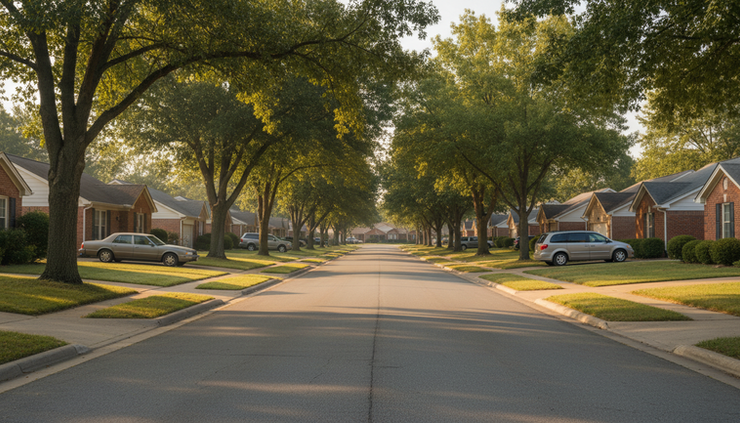
A good comp should be similar in the ways buyers care about most. That usually means location, size, age, condition, layout, lot size, and features. A home across town may not help much if buyers view that area differently. A sale from last year may not reflect today’s market.
When reviewing comps, focus on homes that:
Sold recently, ideally within the past few months
Are close to your home, when possible
Have a similar square footage and bedroom count
Share a similar style, age, and condition
Sit on a comparable lot
Offer similar upgrades or amenities
Active listings can also help, but they don’t carry the same weight as sold homes. A seller can ask any price. A sold home shows what a real buyer was willing to pay.
Pending sales are useful too, if pricing details are available later. They show where buyer demand may be heading right now.
One helpful trick is to look at your home through a buyer’s eyes. If a buyer toured your home and two similar homes this weekend, which one would feel like the best value?
Adjust for your home’s unique features without overpricing them
No two homes are exactly alike. Your home may have a renovated kitchen, a bigger yard, a finished basement, newer windows, solar panels, a pool, or a view. Those details matter, but their value depends on what buyers in your market are willing to pay for them.
Some improvements strongly affect value. Others help your home sell faster or feel more appealing, but don’t always add dollar-for-dollar value.
For example, a thoughtful kitchen update in a neighborhood where buyers expect move-in-ready homes may support a stronger price. A highly personal renovation, like bold custom finishes, may not appeal to every buyer. A pool may be a big plus in warm climates, while in other areas some buyers may see it as extra maintenance.
Try sorting features into three groups:
Value-boosting features
Buyer-appeal features
Personal features
Major updates, usable square footage, desirable layout, strong location
Fresh paint, landscaping, staging, lighting, curb appeal
Custom design choices, niche upgrades, sentimental improvements
That last category can be tricky. You may love a feature because you chose it, paid for it, or built memories around it. Buyers will usually judge it by usefulness, style, and cost to maintain.
Bring in expert guidance before you commit to a number
Online estimates can be a starting point, but they can’t walk through your home, notice condition details, or understand buyer behavior in your area the way a local professional can.
A professional appraisal gives an independent opinion of value based on property details, comparable sales, and accepted valuation methods. Appraisals are especially helpful if the home is unusual, the local market is changing quickly, or you need a more neutral view before listing.
A skilled real estate agent adds another layer. Agents see what buyers are reacting to in real time. They know which homes got offers, which ones sat, and why. They can also help you compare your home against current competition, not just past sales.

When choosing an agent, ask how they arrived at the suggested price. A strong pricing recommendation should come with clear comps, market context, and an honest discussion of tradeoffs.
If you’d like help reviewing your pricing options, you can reach out for local real estate guidance before you set your list price.
Keep emotions and timing in check
Selling a home is personal. Maybe it’s where your kids grew up, where you hosted holidays, or where you handled a major life change. That emotional value is real, but it doesn’t always match market value.
This is where many sellers struggle. They remember what they paid, what they spent on upgrades, and what they hope to net. Buyers are thinking about mortgage payments, competing homes, inspection concerns, and whether the price feels fair.
A good pricing plan gives you room to be practical without dismissing the emotional side.
Before listing, ask yourself:
What price would make me feel comfortable moving forward?
How long am I willing to wait for the right offer?
If showings are slow after two weeks, what will I do?
Am I prepared to adjust if the market gives clear feedback?
Timing matters too. If you need to sell quickly, a slightly sharper price may bring faster attention. If you have flexibility, you may be able to test the market, but only within reason. A stale listing can lose momentum, and buyers often notice repeated price drops.

FAQ
How do I know if my home is priced too high?
If showings are low, buyers aren’t making offers, or agents are giving similar feedback about price, your home may be above the market. A longer-than-average time on market can also be a warning sign.
Should I price my home high so I have room to negotiate?
That can backfire. Many buyers skip homes they think are overpriced. A fair, well-supported price often creates more interest and can lead to stronger offers.
Are online home value estimates accurate?
They can be useful as a rough starting point, but they’re not a full pricing strategy. They may miss condition, upgrades, layout issues, and very local market trends.
How much do upgrades add to my home’s value?
It varies by market and by upgrade. Functional improvements, quality renovations, and well-maintained spaces often help, but buyers rarely value every improvement at its full cost.
Do I need both an appraiser and a real estate agent?
Not always. Many sellers start with an agent’s market analysis. An appraisal can be helpful when the property is unique, pricing opinions vary, or you want an independent value estimate.
Price with confidence, not guesswork
The best list price comes from evidence, not emotion or hope. Start with local market research, study the right comparable properties, adjust for your home’s real strengths, and get professional guidance before you make the final call.
A well-priced home doesn’t just attract attention. It helps buyers trust the value, take the listing seriously, and feel ready to make an offer.


